


Range Rover vs Mercedes-Benz G-Wagon [ 2026 Guide]
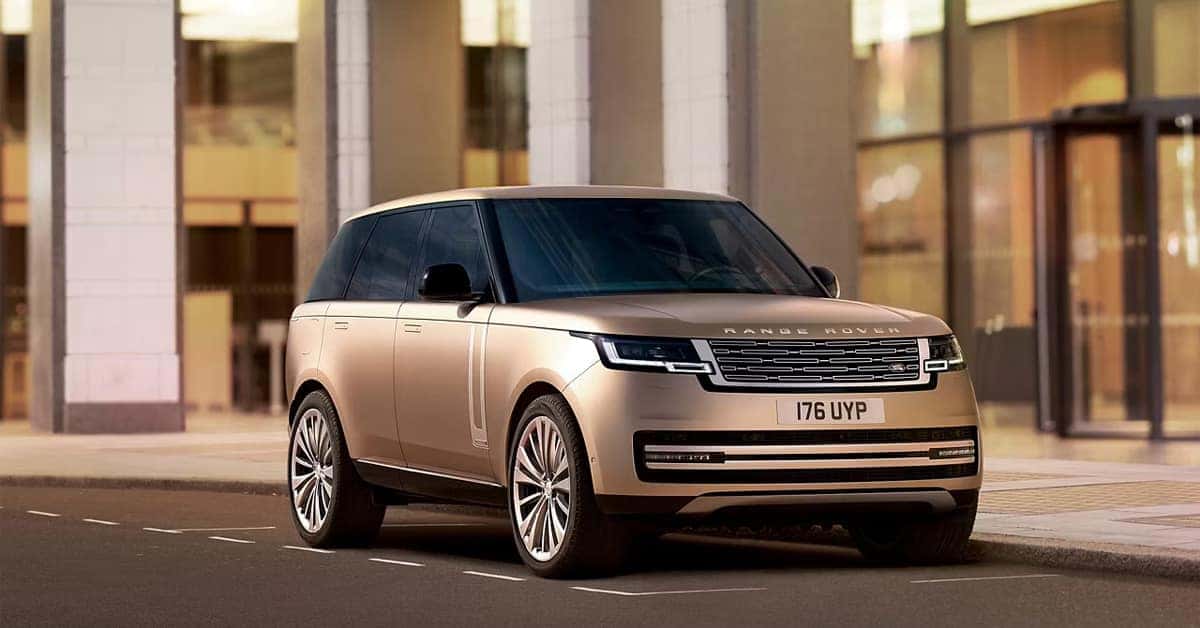
The Range Rover vs Mercedes-Benz G-Wagon comparison comes down to two very different interpretations of luxury SUV capability. The Range Rover prioritizes refined comfort, advanced technology, and effortless on-road composure, while the G-Wagon focuses on rugged, boxy durability with extreme off-road strength and bold presence. When looking at Mercedes-Benz G wagon vs Range Rover or asking what’s better g wagon or Range Rover, the answer depends on whether you value modern luxury and versatility or raw, iconic toughness. Pricing, performance, and driving experience also vary significantly, making the Range Rover vs Mercedes G wagon debate one of the most discussed in the luxury SUV segment for 2026.
Land Rover Princeton is here to help drivers explore every angle of this comparison with confidence and clarity. As a trusted luxury automotive destination serving Skillman, Belle Mead, Bridgewater, and Hillsborough, we provide expert guidance across sales, financing, service, and genuine parts support. Whether you are researching your next Range Rover or simply comparing options, our team is ready to assist you with personalized attention and a seamless experience. Contact us today or visit Land Rover Princeton to get started on your luxury SUV journey.
How do the Range Rover and Mercedes-Benz G-Class differ in overall design philosophy?
At a glance, the comparison between these two luxury SUVs is really a study in contrast. The Range Rover vs Mercedes G-Wagon debate often starts with styling, because each vehicle was built with a completely different idea of what a luxury SUV should represent. One leans into smooth sophistication and modern elegance, while the other embraces an unmistakable, utilitarian identity that has barely changed for decades.
Two design languages, two distinct identities
The Range Rover is designed with a focus on clean lines, aerodynamic proportions, and a refined silhouette that blends into high-end urban environments as naturally as it handles long highway drives. Its design philosophy is rooted in quiet confidence, prioritizing elegance over aggression. It feels equally at home pulling up to a luxury hotel in Princeton or cruising through suburban neighborhoods in Skillman or Belle Mead.
In contrast, the G-Class follows a philosophy of function-first design. Its boxy shape is not about trend or aerodynamics, but about durability, visibility, and off-road strength. It looks and feels engineered for extreme conditions, with a military-inspired structure that signals toughness before anything else.
Key design differences at a glance
Range Rover
- Streamlined, modern luxury styling
- Focus on aerodynamic efficiency and visual refinement
- Designed for comfort-oriented prestige and versatility
- Subtle presence that blends luxury with understatement
Mercedes-Benz G-Class
- Iconic boxy, upright design rooted in utility
- Heavy emphasis on rugged durability and off-road identity
- Bold, attention-grabbing road presence
- Minimal change in shape across generations to preserve heritage
Which SUV delivers better performance on-road and off-road capability?
Performance is where the Range Rover vs Mercedes G-Wagon comparison becomes especially interesting, because both vehicles are engineered for capability, just in very different ways. One is tuned for smooth, confidence-inspiring refinement on pavement with serious off-road ability when needed, while the other is built to feel unstoppable in extreme terrain with a more mechanical, rugged driving character.
On-road driving: comfort and composure versus raw presence
For daily driving, highway cruising, and long-distance comfort, the Range Rover is designed to feel calm, controlled, and almost effortless. Its adaptive air suspension continuously adjusts to road conditions, helping it glide over bumps and uneven surfaces with minimal cabin disturbance. This makes it especially appealing for drivers commuting through areas like Bridgewater or traveling between suburban roads and city highways.
The G-Class, on the other hand, delivers a more upright and commanding driving experience. It feels solid and powerful, but its body-on-frame design and off-road-first engineering make it less focused on softness and refinement compared to its rival.
Off-road capability: engineered strength in different forms
Both SUVs are highly capable off-road, but they approach terrain differently. Range Rover off-road strengths
- Advanced terrain response systems that automatically adjust settings
- Adaptive air suspension for adjustable ground clearance
- Strong balance of comfort and control on uneven surfaces
- Designed to transition seamlessly between pavement and trail
Mercedes-Benz G-Class off-road strengths
- Traditional ladder-frame construction for extreme durability
- Locking differentials for maximum traction in harsh conditions
- High ground clearance and near-vertical approach angles
- Built for technical, low-speed off-road challenges
In practical terms, both can handle snow, mud, and rugged trails with confidence. However, the Range Rover often feels more intuitive and comfortable in mixed driving environments, while the G-Class feels more purpose-built for serious off-road adventure.
How do interior luxury and comfort features compare between the Range Rover and G-Wagon?
When comparing the Range Rover vs Mercedes G-Wagon, the conversation quickly shifts from performance and styling to something far more personal: the cabin experience. This is where daily comfort, craftsmanship, and technology define the ownership experience, especially for drivers who spend significant time commuting through places like Bridgewater or weekend traveling across New Jersey. Both SUVs deliver luxury, but they express it in very different ways. One leans toward a serene, executive-style lounge, while the other blends rugged durability with upscale detailing.
A luxury-first lounge versus a performance-inspired cabin
Inside the Range Rover, the focus is on calmness and refinement. The cabin is designed to feel like a private retreat, with soft-touch materials, available semi-aniline leather, and a layout that prioritizes space and openness. Even in longer drives, the interior is engineered to reduce fatigue and create a near-silent environment.
The G-Class takes a different approach. It still feels premium, especially in higher trims, but its design reflects its utilitarian roots. The upright dashboard, exposed grab handles, and squared layout emphasize durability and visibility. Luxury is present, but it is layered onto a more rugged foundation.
Comfort and seating experience
Comfort is often the deciding factor when shoppers weigh what’s better, the G-Wagon or the Range Rover, especially for families or long-distance drivers. Range Rover comfort highlights
- Available heated, ventilated, and massaging seats
- Executive rear seating options for a first-class experience
- Spacious cabin design with flexible seating configurations
- Exceptional ride isolation for long highway journeys
G-Class comfort highlights
- Strongly supportive seating with luxury upholstery options
- Heated and ventilated front seats available
- More upright seating position with commanding visibility
- Less rear-seat spaciousness compared to the Range Rover
For drivers in suburban areas like Hillsborough or Belle Mead, the Range Rover often feels more relaxed for daily use, especially for passengers in the second row.
Technology and infotainment experience
Modern luxury also depends heavily on technology, and this is another key point in the Mercedes-Benz G wagon vs range rover discussion. The Range Rover emphasizes a clean, intuitive digital experience. Its infotainment system integrates seamlessly with navigation, driver displays, and comfort controls, creating a unified and modern feel. The G-Class uses the Mercedes-Benz MBUX system, which is highly responsive and feature-rich, with a more traditional luxury interface combined with advanced voice control and digital displays.
Which SUV offers more advanced technology and driver assistance systems?
Technology plays a major role in the Range Rover vs Mercedes G-Wagon comparison, especially for drivers who expect modern convenience, seamless connectivity, and advanced safety features in their daily drive. Whether commuting through Bridgewater traffic or taking weekend trips across New Jersey, the way a vehicle supports the driver can completely change the ownership experience.
Both SUVs are highly advanced, but they take different paths in how they deliver innovation. One focuses on intuitive, integrated systems that enhance comfort and driving ease, while the other emphasizes performance-oriented technology with a strong luxury interface.
Driver assistance systems designed for confidence on every road
Advanced driver assistance has become a key factor in deciding what’s better, the G-Wagon or the Range Rover, especially for drivers prioritizing safety in busy suburban and highway environments. The Range Rover is designed to reduce stress behind the wheel through intelligent systems that actively support the driver in real time. Features such as adaptive cruise control, lane keeping assistance, and 360-degree camera systems work together to create a more relaxed driving experience. The G-Class also includes a strong suite of driver assistance features through the Mercedes-Benz platform, offering similar core safety technologies with a focus on alertness and driver awareness.
Key driver assistance features compared
Range Rover driver assistance highlights
- Adaptive cruise control with stop-and-go capability
- Lane keep assist for highway stability
- 3D surround camera system for tight parking situations
- Terrain-focused systems that adjust to off-road conditions automatically
Mercedes-Benz G-Class driver assistance highlights
- Active distance assist and lane guidance systems
- Blind spot monitoring and collision prevention assist
- Parking assist with advanced sensor support
- Driver-focused alerts for off-road and on-road awareness
Smart features that enhance everyday convenience
Beyond driving assistance, modern luxury SUVs are expected to simplify daily routines. This is where both models deliver strong but distinct advantages. Range Rover technology advantages
- Seamless infotainment integration with driver displays
- Advanced terrain response systems for changing road conditions
- Clear, minimal interface designed for ease of use
- Strong focus on comfort-linked technology features
G-Class technology advantages
- Highly responsive voice control system
- Detailed digital cockpit with performance data
- Strong integration with the Mercedes-Benz ecosystem
- Advanced safety alerts for urban and off-road driving
How do engine performance and driving dynamics compare?
Performance and driving feel are central to the Range Rover vs Mercedes G-Wagon discussion, especially for drivers who expect a luxury SUV to deliver both power and everyday usability. While both vehicles offer impressive engine options and strong capability, the way they translate that power onto the road is noticeably different. One is tuned for smooth, refined acceleration and confident highway cruising, while the other emphasizes raw strength, mechanical presence, and a more traditional performance feel. Understanding these differences helps clarify what’s better, the G-Wagon or the Range Rover, depending on how and where you drive.
Power delivery: smooth refinement versus aggressive character
The Range Rover is engineered to deliver power in a controlled, almost effortless way. Acceleration feels linear and composed, making it ideal for daily commuting, long highway drives, and stop-and-go traffic. Whether driving through suburban roads in Bridgewater or heading toward Princeton, the experience remains calm and predictable. The G-Class delivers power with a more forceful, mechanical character. It feels bold and assertive under acceleration, with a driving personality that emphasizes strength and responsiveness over subtle refinement.
Engine and performance characteristics
Both SUVs offer a range of powerful engines, including turbocharged and high-output V8 options, but their tuning philosophy differs significantly. Range Rover performance traits
- Smooth turbocharged and hybrid-assisted engine options
- Balanced horsepower delivery focused on comfort and control
- Air suspension that adapts to road conditions in real time
- Designed for quiet, refined acceleration
G-Class performance traits
- High-output V8 engines with strong acceleration feel
- Performance-focused tuning with a heavier, more grounded drive
- Traditional SUV architecture prioritizes durability
- Strong emphasis on torque and off-road power delivery
Driving dynamics: comfort-focused versus rugged confidence
When comparing the Mercedes G-Wagon or the Range Rover, driving dynamics often become the deciding factor for luxury SUV buyers. The Range Rover is designed to feel like it is floating above the road. Its adaptive suspension reduces harshness and smooths out imperfections, which makes it especially appealing for longer commutes or family travel. It prioritizes stability and quietness even at highway speeds.
The G-Class feels more connected and rigid by comparison. Its body-on-frame construction gives it a solid, commanding road presence, but it also results in a firmer ride. That firmness becomes an advantage in extreme off-road situations, where control and durability matter most.
Everyday driving experience
For drivers considering Range Rover vs. G-Wagon price, performance expectations often align closely with daily usability. The Range Rover tends to feel more versatile in everyday environments, especially in suburban and highway driving scenarios. The G-Class delivers a more distinctive and commanding experience, but one that is less focused on comfort-first tuning. A simple breakdown: Range Rover driving feel
- Smooth and refined on highways
- Easy handling in urban and suburban settings
- Quiet cabin even at higher speeds
G-Class driving feel
- Strong, upright, and highly responsive feel
- More noticeable road feedback
- Built for confidence in extreme conditions
What are the ownership costs, maintenance considerations, and long-term value differences?
When comparing the Range Rover vs Mercedes G-Wagon, ownership costs and long-term value become just as important as performance and luxury. These vehicles both sit at the top of the premium SUV market, but they differ in how they hold value, how they are maintained, and what drivers can expect over time. For buyers in areas like Skillman, Belle Mead, and Bridgewater, understanding these differences can help set realistic expectations before making a long-term investment.
Upfront cost and long-term pricing perspective
One of the first questions many shoppers ask is which is more expensive, the G-Wagon or the Range Rover. While pricing varies depending on trim level, options, and performance configurations, both vehicles typically sit in a similar ultra-luxury range. However, the range rover vs g wagon price comparison becomes more nuanced when factoring in optional packages and high-performance trims, which can significantly increase the final cost for either model.
Maintenance and service considerations
Luxury SUVs require consistent care, and both models reflect that reality in different ways. Range Rover ownership considerations
- Premium parts and specialized service requirements
- Advanced electronics and suspension systems may require scheduled maintenance
- Designed for long-term refinement with proper upkeep
- Strong dealership support network through Land Rover retailers
G-Class ownership considerations
- Built with a highly durable structure, but still premium in service costs
- Performance-oriented components can increase maintenance expenses
- Strong reputation for long-term mechanical toughness
- Service is often tied closely to Mercedes-Benz performance standards
Reliability, durability, and everyday upkeep
When shoppers evaluate the Mercedes-Benz G wagon vs. the Range Rover, reliability perceptions often play a major role. Both brands have strong engineering reputations, but they approach durability differently. The Range Rover is built with advanced systems focused on comfort, technology, and versatility.
With that innovation comes complexity, meaning proper maintenance is essential to ensure long-term reliability. The G-Class is known for its robust construction and mechanical simplicity in key areas, which contributes to its reputation for durability in demanding environments.
How much is the 2026 Range Rover?
The 2026 Range Rover starts at approximately $115,750 and can reach up to around $248,150 depending on trim level and options.
How much is the 2026 Mercedes-Benz G-Wagon?
The 2026 Mercedes-Benz G-Wagon typically starts in the mid-$140,000 range and can exceed $200,000 for higher trims, with the AMG G 63 priced around $195,500 based on available specifications.
How does the 2026 Range Rover perform on the road and off-road?
The 2026 Range Rover delivers smooth, refined on-road performance with adaptive air suspension for a quiet, comfortable ride, and it also offers strong off-road capability with terrain response systems, adjustable ride height, and confident traction across challenging surfaces.
How does the 2026 Mercedes-Benz G-Wagon perform on the road and off-road?
The 2026 Mercedes-Benz G-Wagon delivers powerful, performance-focused driving with strong acceleration and a firm, commanding road feel, while its ladder-frame construction, locking differentials, and high ground clearance give it exceptional off-road strength and durability.
How do they compare in driver assistance features?
Both the Range Rover and Mercedes-Benz G-Wagon offer advanced driver assistance features such as adaptive cruise control, lane keeping assist, and parking support systems, but the Range Rover places greater emphasis on terrain-adaptive assistance and camera-based visibility systems, while the G-Wagon focuses more on driver awareness, safety monitoring, and performance-oriented assistance through the Mercedes-Benz technology suite.
Experience Luxury SUVs and More at Land Rover Princeton
Choosing between two ultra-luxury icons is only one part of the journey. Many drivers continue their research by comparing other premium SUVs to better understand where the Range Rover stands in the broader luxury landscape. That same level of detail can be seen in comparisons like Range Rover vs Acura MDX [Full 2026 Comparison], where refinement and value take center stage in a different segment of the market.
Similar insights appear in this Range Rover Evoque vs Audi Q3 comparison and Range Rover Evoque vs Volvo XC40 faceoff, helping shoppers evaluate everything from compact luxury to full-size sophistication. Each comparison highlights how different brands approach comfort, performance, and technology in unique ways, giving drivers a clearer picture of what truly matters in their next vehicle.
From test drives to personalized walkthroughs, we make it easier to understand how each model performs in real-world conditions. Reach out today or visit our showroom to continue your luxury SUV search with confidence and expert guidance.
Get Directions to Land Rover Princeton
Disclaimer: All information is provided for general informational and entertainment purposes only. While we strive for accuracy, we cannot guarantee that all content is complete, current, or error-free. Any reliance you place on such information is strictly at your own risk. This article may include opinions and is not endorsed by, or officially affiliated with, any vehicle manufacturer or brand. Always consult official sources – such as the vehicle’s owner’s manual, authorized dealerships, or certified professionals – for the most up-to-date and personalized information.
0 comment(s) so far on Range Rover vs Mercedes-Benz G-Wagon [ 2026 Guide]